1. Water permeability for outdoor use of coir doormats without a backing
With a PVC or latex backing: a synthetic backing prevents water from draining away. When the doormat is left outside in the rain, water remains trapped in the fibres. The coir fibres stay constantly damp and may therefore rot more quickly.
Without a PVC or latex backing: water drains directly through the doormat. Thanks to its open structure, it dries quickly.
2. Protection of delicate floors
Natural stone and real wood need to be able to breathe. A plastic or rubber backing insulates the floor, which can lead to moisture accumulating underneath the doormat. This can cause white stains on natural stone or warping of wooden floors.
3. Durability and extended lifespan of a coir doormat without a backing
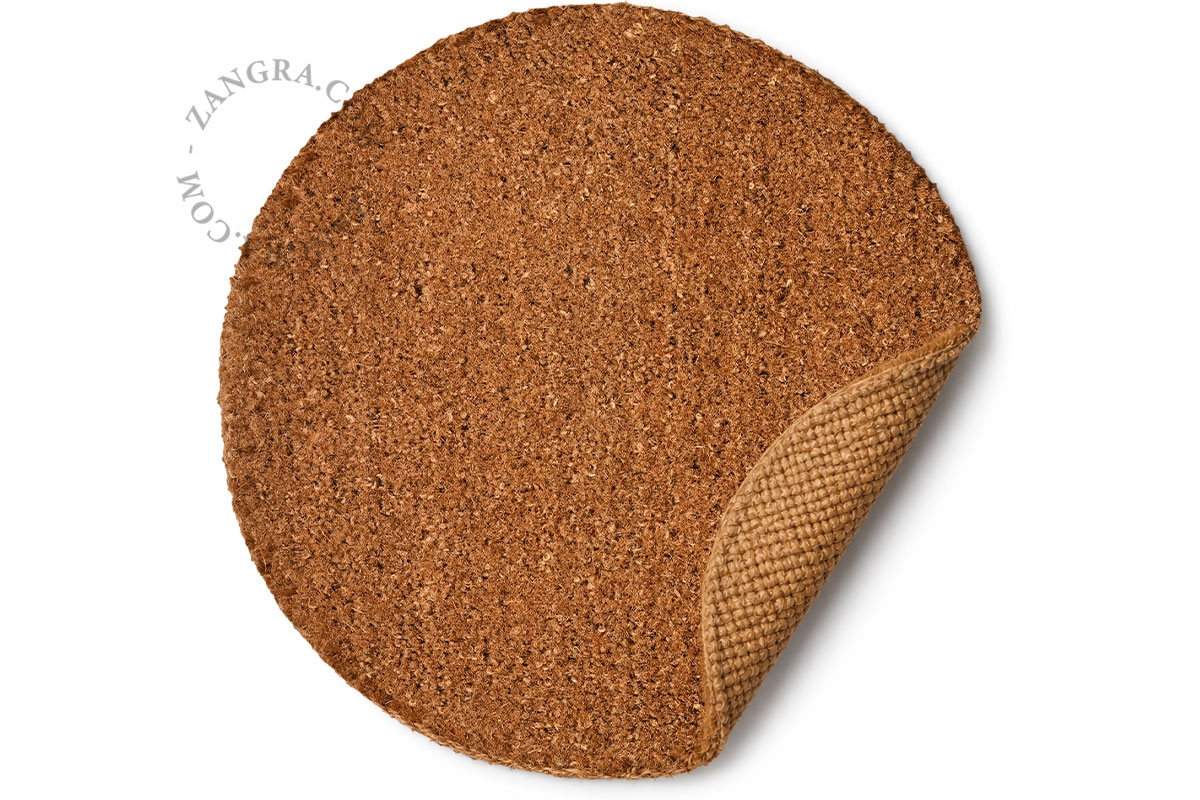
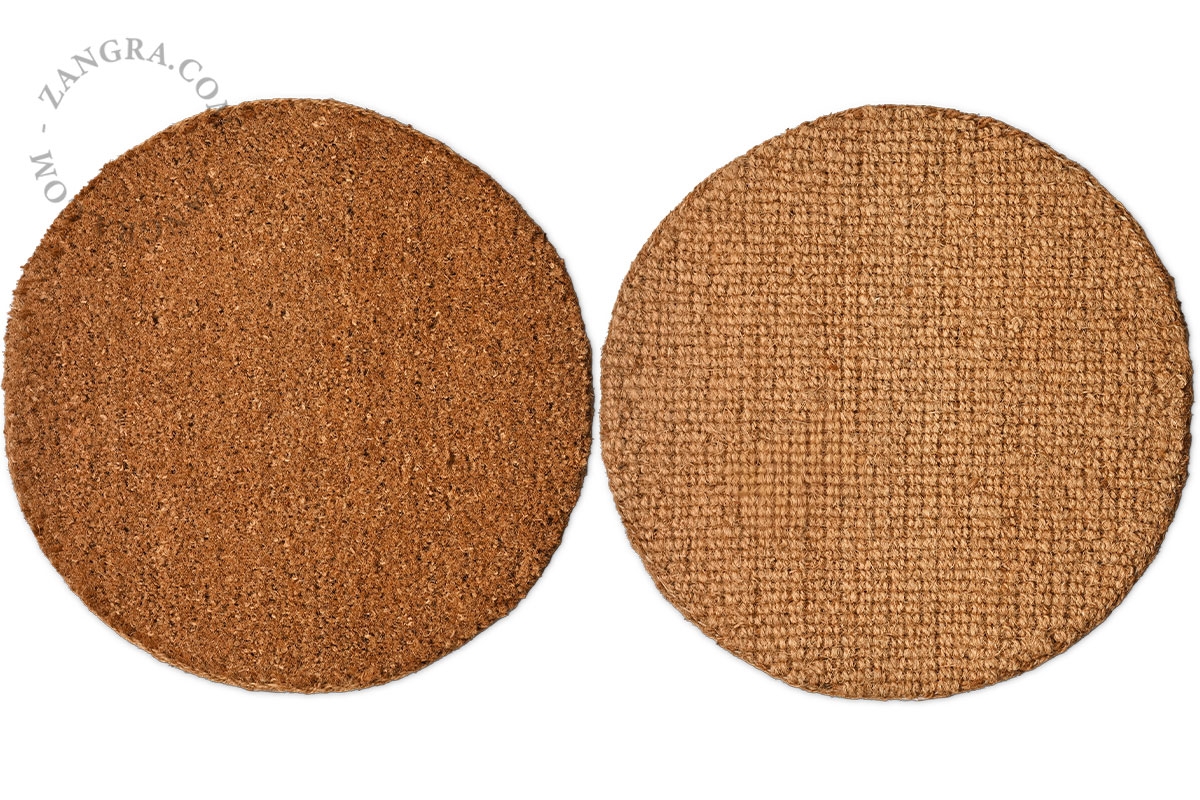
Reversible: a traditional coir doormat with a PVC backing can only be used on one side. A coir doormat without a backing is reversible. If the top becomes less attractive or gets dirty after a few years, simply turn the doormat over. This can double its lifespan.
No drying out: over the years, particularly due to UV exposure and frost, PVC and latex can become hard, brittle or crumbly. Cracks may then appear in the backing. A doormat made exclusively from natural coir fibres is not subject to this phenomenon.
4. How sustainable is a 100% coir fibre doormat? (100% natural)
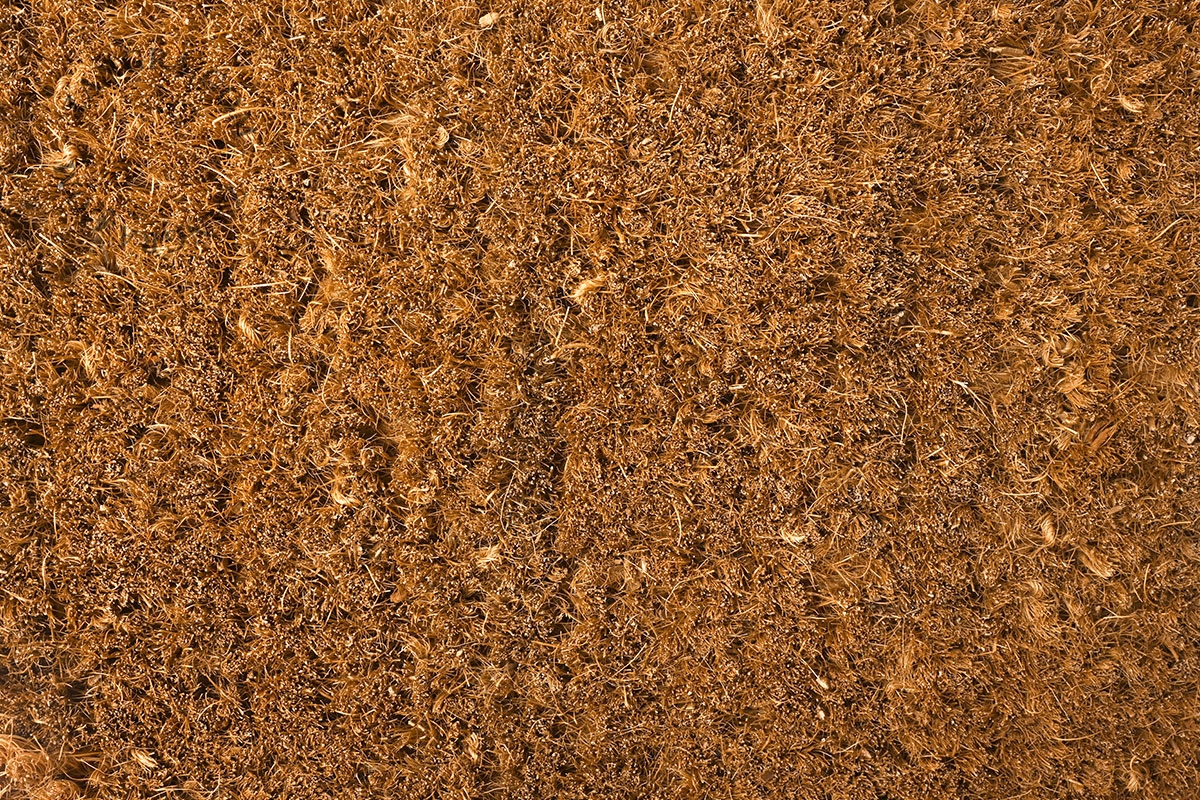
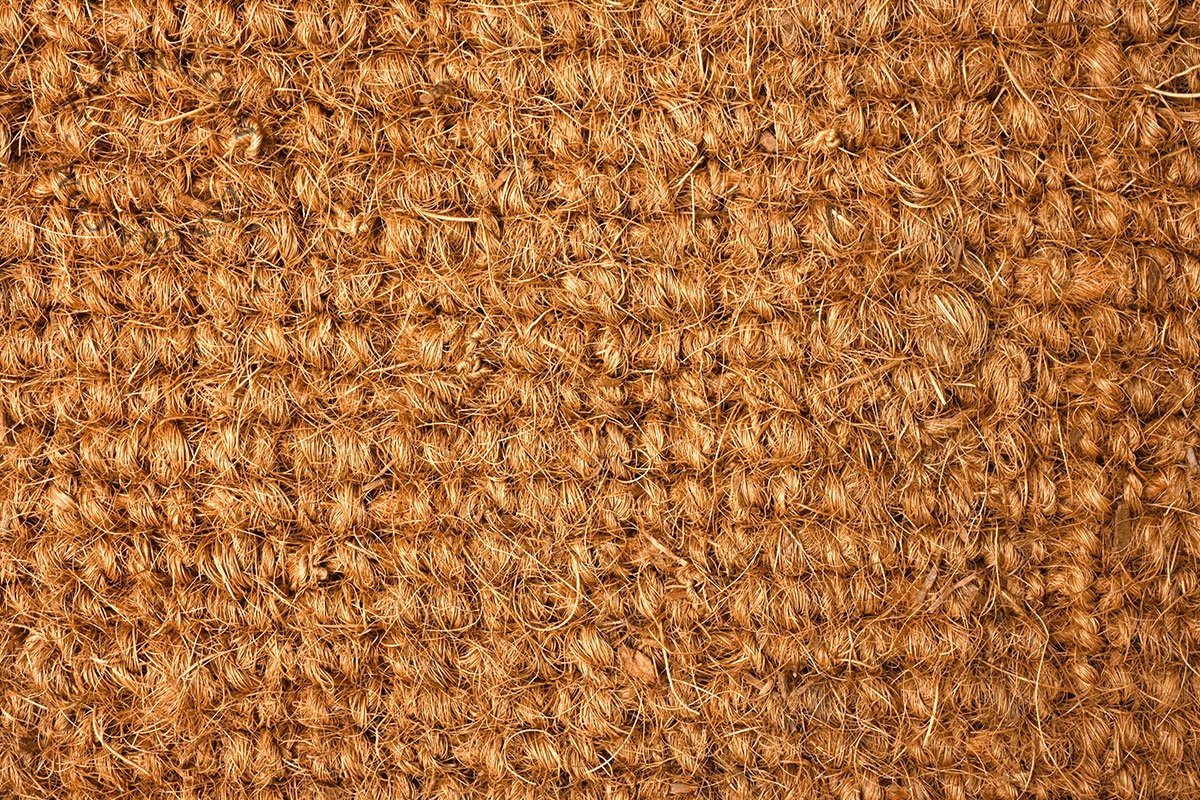
Fully biodegradable: a coir doormat without a backing is made exclusively from natural coir fibres, generally woven onto a jute warp. The doormat is therefore 100% biodegradable.
Recycling: doormats with a PVC backing are very difficult to recycle because the plastic and natural fibres are bonded together. They end up with non-recyclable waste. A completely natural doormat can, in theory, be placed on the compost heap.